An eSIM is a digital, embedded version of a traditional SIM card built directly into your mobile device. To understand what is an esim, it is important to know it functions as a reprogrammable chip that allows you to activate cellular plans without a physical plastic card.
Dealing with physical SIM cards often feels like a relic of the past, especially when you are fumbling with a paperclip or worrying about losing that tiny piece of plastic during an international flight. This small frustration is more than a minor inconvenience; it is a barrier to the seamless connectivity that modern business and travel demand. At Instante Voice, we believe your mobile experience should be as fluid as your lifestyle. That is why understanding the transition to eSIM technology is essential for every smartphone user today. In this comprehensive guide, we will break down the mechanics of the embedded chip and explain how it differs from traditional cards. You will learn how to activate an eSIM on your iPhone or Samsung device, explore the security benefits for travelers, and see why our Fillmore clients are making the switch to a purely digital connection.
Understanding the Basics: What is an eSIM Card?
For decades, connecting to a cellular network required a fingernail sized piece of plastic. When you ask what is an esim, the simplest answer is that it is a digital version of that physical card. The "e" stands for embedded, meaning the technology is a tiny chip permanently soldered onto your device's motherboard during manufacturing. Unlike the traditional Subscriber Identity Module (SIM) that you swap out using a paperclip, this hardware stays inside the phone for its entire lifespan.
It is helpful to distinguish between the physical hardware and the software profile. The hardware is the programmable chip inside your phone, while the eSIM profile is the digital file provided by carriers like Verizon, AT&T, or T-Mobile. This profile contains the specific credentials needed to authenticate your device on their network. Essentially, the chip is the blank canvas and the carrier profile is the digital data that tells the chip how to communicate with a specific tower.
Most latest smartphones and tablets released from 2020 onwards, including flagship models from Apple, Samsung, and Google, come equipped with this technology to support flexible cellphone plans. This shift allows users to activate a new line or switch providers without waiting for a piece of plastic to arrive in the mail or visiting a store to physically swap components.
The Technology Behind the Chip: How Does eSIM Work?

Think of a physical SIM card as a traditional metal key; it is cut for one specific lock and can only ever open that door. In contrast, the hardware inside the latest smartphones and tablets acts more like a programmable hotel key card. The card itself stays the same, but the data stored on it can be rewritten to grant access to different rooms or, in this case, different cellular networks.
When you activate an eSIM, your carrier sends an encrypted digital package called a profile to the internal chip. This profile contains the unique identification keys that tell the network who you are and what services you are authorized to use. Because the storage is digital, the chip can hold several of these profiles simultaneously. While you might have multiple carrier profiles stored on the chip, you typically choose one or two to be active at any given time.
This storage capacity enables Dual SIM functionality, allowing you to maintain two distinct phone numbers on a single device without juggling physical cards. This setup is highly effective for separating work and personal lines without carrying two devices. It also simplifies logistics for travelers; you can keep your primary home number active for important calls while using a secondary profile for flexible cellphone plans that provide local data at your destination.
The phone communicates with the network by reading the active profile credentials and broadcasting them to the nearest tower. This handshake happens entirely via software. If you decide to switch providers, the old profile is simply deactivated or deleted, and a new one is downloaded to the chip, instantly updating how the phone identifies itself to the wireless world.
Step by Step: How to Activate an eSIM on iPhone or Samsung

Transitioning from the technical theory to a working device requires navigating the specific software of your phone. While the hardware chip is already inside your device, you must manually trigger the download of the carrier profile. The interface varies slightly depending on your manufacturer, but the core steps remain consistent across the latest smartphones and tablets currently available.
For iPhone users, the process is integrated directly into the iOS setup. Navigate to Settings, tap Cellular, and select Add eSIM. Apple offers a unique feature called Transfer from Nearby iPhone, which allows you to move an existing line from an old device to a new one via Bluetooth, provided both phones are running current software. If you are starting fresh or switching carriers, you will typically choose the option to use a QR code, which opens the camera to scan the credentials provided by your service provider.
Samsung users can find these tools within the Android ecosystem by opening Settings, selecting Connections, and tapping on SIM Manager (or SIM Card Manager on older models). From this screen, you can select Add eSIM or Add Mobile Plan. Most flexible cellphone plans offer two activation paths:
QR Code Scanning: The carrier provides a digital or printed code. Once scanned, the phone automatically downloads the profile and connects to the network.
Carrier App Activation: You download the carrier's official app from the store, log in to your account, and follow the prompts to install the eSIM profile directly to the chip without scanning anything.
When local customers ask us what is an esim activation like, we emphasize that the most critical part is maintaining a stable Wi-Fi connection throughout the process. At Instante Voice, we help clients in Fillmore navigate these menus to ensure the digital handshake between the phone and the carrier is successful. This hands on support prevents the common issue of losing service on an old device before the new digital profile is fully active on the network.
eSIM vs Physical SIM Pros and Cons: Which is Better for You?
Deciding between digital and physical formats depends on how you use your device. For most people using the latest smartphones and tablets, the digital format offers clear advantages in durability and protection. Because an eSIM removes the need for a physical slot, manufacturers can improve the structural integrity and water resistance of the phone. Security is another major factor; a thief cannot simply remove a digital SIM to disconnect the device from tracking services, making it easier to locate a lost or stolen phone via GPS.
Feature | eSIM (Digital) | Physical SIM (Plastic) |
|---|---|---|
Convenience | Instant activation via QR/App | Must wait for mail or visit store |
Security | Cannot be physically removed | Easily removed to disable tracking |
Durability | No moving parts or tray | Tray can break or let in water |
Compatibility | Modern smartphones only | Works with older "dumb" phones |
The primary drawback occurs if your phone experiences a total hardware failure. If a screen is completely smashed and unresponsive, you cannot simply swap a chip into a temporary "dumb" phone to stay connected. Moving your service requires a digital transfer or carrier intervention. Furthermore, users who frequently swap their SIM between multiple older devices may find the digital process more cumbersome than the physical one.
There is also a common misconception regarding signal strength. Some users worry that a digital profile might have weaker reception than a physical card. In reality, your signal quality is determined by your carrier choice and the internal antenna of your device. When comparing flexible cellphone plans at Instante Voice, we focus on the coverage area of the provider; the method of authentication, knowing what is an esim versus a plastic card, has no impact on how many bars you see on your screen.
Travel and Security: Why International Travelers are Switching to eSIM
International travelers are increasingly moving away from physical roaming cards in favor of digital convenience. For residents in Fillmore planning trips abroad, understanding what is an esim activation means you can secure data access before you even head to the airport. Services like Airalo allow you to purchase and download flexible cellphone plans for your destination while you are still at home in Utah. This eliminates the need to hunt for a local vendor in a foreign terminal or pay exorbitant daily roaming fees to your primary carrier. Your phone simply switches to the local data profile the moment you land, keeping your primary number active for emergency texts.
Security is the other major driver for this shift. Traditional SIM cards are vulnerable to 'SIM swapping' identity theft, where a criminal redirects your phone calls and verification codes to a physical card in their possession. With eSIM technology, the cellular profile is cryptographically tied to the internal hardware of your latest smartphones and tablets. Modifying or transferring this profile requires the device's specific security passcode or biometric authentication. This hardware level integration makes it nearly impossible for a remote attacker to hijack your number, providing a robust layer of protection for your banking and personal accounts.
Troubleshooting and Transitions: How to Transfer an eSIM to a New Phone
Moving your service to a new device no longer requires a paperclip or a physical swap. Most latest smartphones and tablets facilitate a digital handoff through their internal setup menus. On an iPhone, the Quick Transfer feature moves your number between devices using Bluetooth and iCloud verification. Samsung users find similar migration tools within the SIM Manager settings. These systems are designed to deactivate the old profile and download a fresh one to the new hardware automatically, often in less than a minute.
A common concern arises when a device is physically damaged. If your screen is smashed or the motherboard is unresponsive, you cannot access the menus to initiate a manual transfer. In these cases, the digital profile is not trapped inside the broken hardware. Carriers can release your service on their backend systems using the unique identification numbers, such as the IMEI and EID, of your new device. At Instante Voice, we frequently assist customers with this backend migration to ensure they do not lose access to their flexible cellphone plans during an emergency upgrade.
Many users also ask if they can switch back to a plastic card after trying a digital profile. The answer is yes, provided your device still has a physical slot. A carrier can provision a plastic SIM for your number and deactivate the digital version at any time. Understanding what is an esim transition helps you realize that your phone number is a set of account credentials, not a permanent piece of the hardware.
Making the Switch at Instante Voice in Fillmore
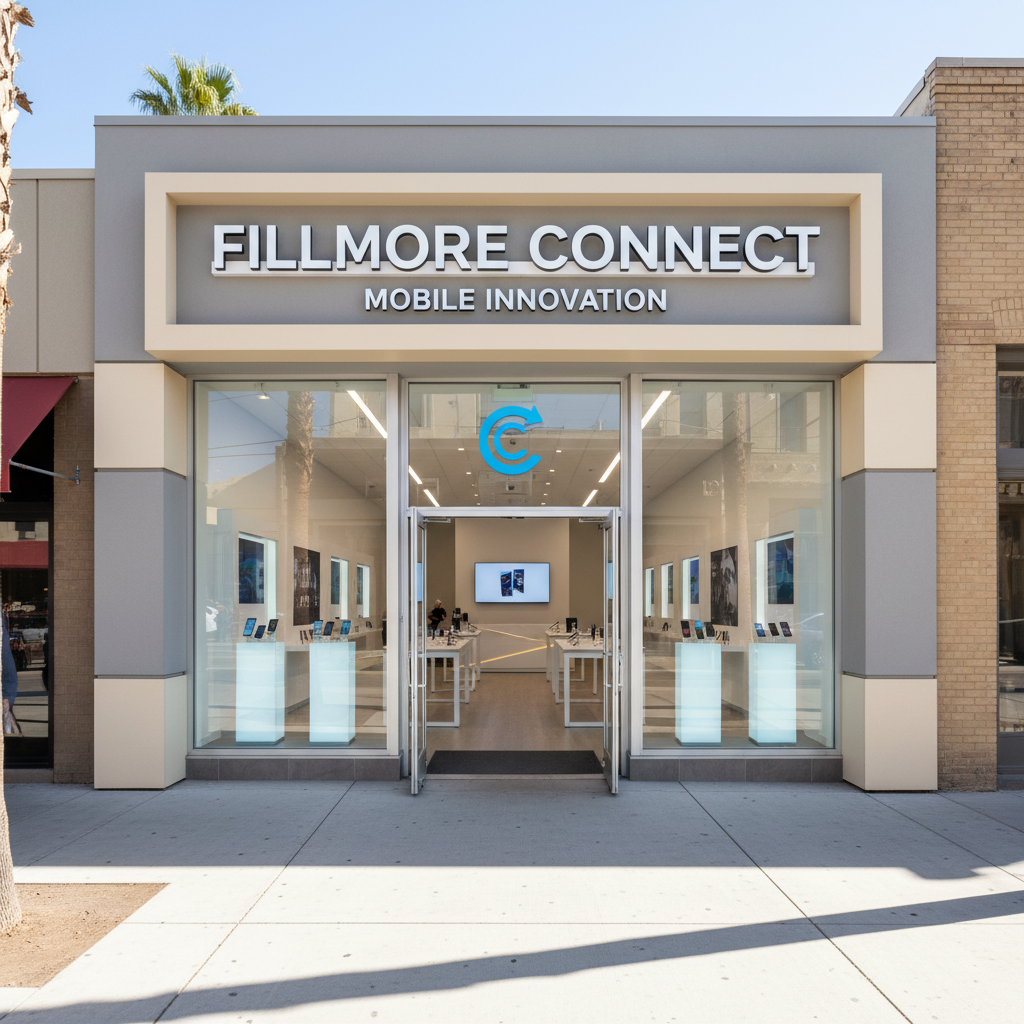
Transitioning to digital technology can feel daunting if you are accustomed to physical cards. At Instante Voice in Fillmore, our team specializes in helping locals bridge that gap. We act as carrier-agnostic experts, which means we do not push one specific network. Instead, we focus on identifying which carrier provides the best coverage for your specific needs in Utah.
When you bring in one of the latest smartphones and tablets, we handle the technical heavy lifting of the activation. This involves generating the necessary digital credentials and navigating carrier portals that can be difficult to manage alone. Moving from a legacy physical SIM plan to a modern digital profile requires precise coordination between the device hardware and the network backend.
The primary benefit of visiting our shop is the face to face verification. Instead of spending hours on a carrier's customer service hold line, you can watch us confirm that your flexible cellphone plans are fully provisioned and active before you leave. If you have more questions about what is an esim transition like for your specific business or family account, you can contact our team or stop by our Fillmore location for hands on assistance.