Most people require between 10 GB and 15 GB per month to cover typical web browsing, social media, and music streaming. When calculating how much cell phone data do i need, consider your access to Wi-Fi; light users can often save money with 5 GB plans, while frequent video streamers may require 20 GB or more.
Selecting a cell phone plan often feels like a gamble between paying for data you never touch or facing throttled speeds at the worst possible moment. Most consumers default to expensive unlimited plans out of fear, yet they frequently leave dozens of gigabytes unused every single month. This disconnect represents a significant financial leak that adds up to hundreds of dollars in wasted annual spending. In this guide, we break down how much data the average person truly needs in 2026 and reveal which high-bandwidth apps are draining your allowance behind the scenes. You will learn exactly how to check your historical usage, implement five practical strategies to avoid overages, and evaluate local carrier options in Fillmore, Utah, to ensure you are only paying for the connectivity you actually use.
The Real Cost of Unlimited Data and Why You Might Be Overpaying

Big wireless carriers have spent billions convincing consumers that unlimited is the only safe choice. It sounds like freedom, but for many residents in Fillmore, it functions as a costly insurance policy that is rarely utilized. When you begin to wonder how much cell phone data do i need, the answer often contradicts the premium price tag found on a standard monthly statement.
Industry research shows the average bill for major carriers sits near $75 per month. However, a significant portion of users consume less than 15 GB. This creates a massive gap between what is paid for and what is actually used. Paying for an unlimited tier when your usage is modest is effectively a donation to a corporate bottom line. Most people are paying for a buffet price while only eating a side salad.
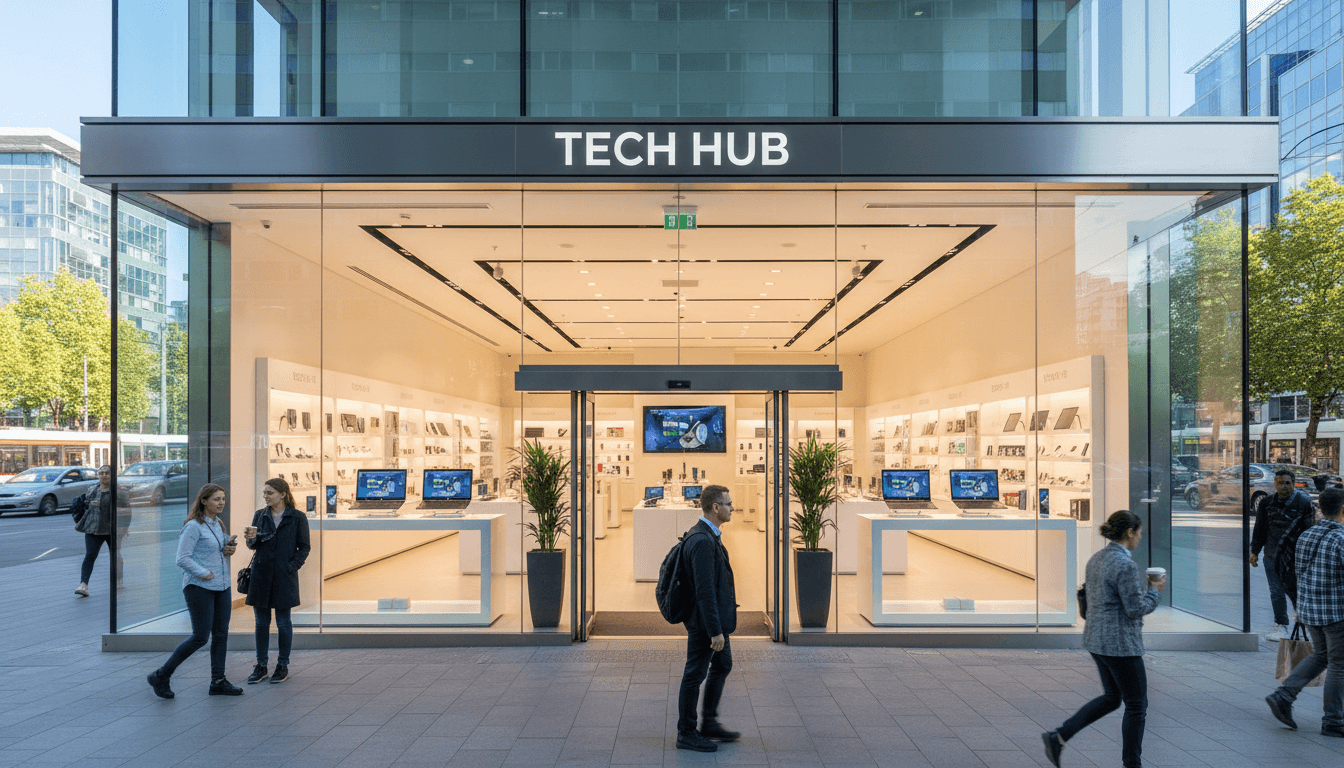
Instante Voice operates differently by utilizing a carrier-agnostic model. We do not answer to corporate quotas that demand pushing the highest-priced flexible cellphone plans. Instead, we prioritize practical usage patterns. If you are shopping for the latest smartphones and tablets or simply want to audit your current expenses, our team focuses on alignment over upselling. You can learn more about our Fillmore store and our commitment to helping Millard County residents find value without sacrificing connectivity.
How Many GB Does a Normal Person Use per Month in 2026?

Determining exactly how much cell phone data do i need starts with looking at modern consumption patterns. A 2026 study conducted by US Mobile revealed that the typical American uses about 14.5 GB of mobile data each month. Even more telling is that 51% of all smartphone users stay under the 15 GB mark. These figures suggest that the majority of residents in Fillmore are likely paying for capacity they never touch.
Usage typically falls into three distinct categories:
The Lite User (under 5 GB): This person relies heavily on home and office Wi-Fi. They use their phone for essential tasks like email, texting, and infrequent web searches.
The Average User (10 to 20 GB): This group represents the typical user who engages with social media daily, uses navigation apps for travel around Millard County, and streams occasional video or music.
The Power User (30 GB+): These users frequently stream high definition video away from Wi-Fi, participate in mobile gaming, or use their device as a hotspot for work.
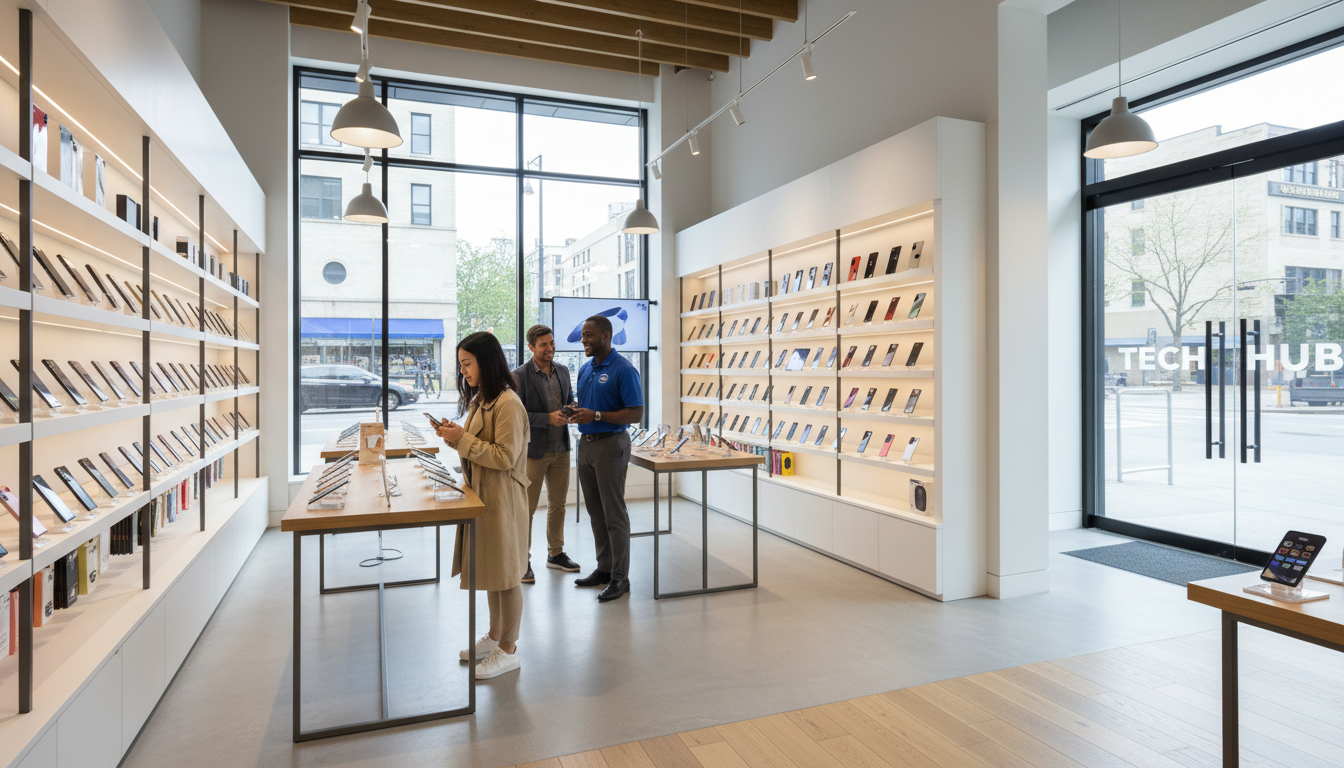
For a standard user, 15 GB provides ample room for daily life. You can use Google Maps for every trip, scroll through image heavy social feeds during breaks, and watch several hours of video without hitting a limit. When you visit us to browse the latest smartphones and tablets, we can help you analyze your specific habits.
Understanding these tiers allows you to select flexible cellphone plans that match your lifestyle instead of a carrier's sales goal. If you are curious about how your current habits stack up against these averages, you can find more details about our Fillmore store and how we help local families audit their usage to find the best value.
What Drains Data the Most: Breaking Down Apps and Activities
Understanding the averages is a great starting point, but identifying exactly what drives those numbers helps you determine how much cell phone data do i need for your specific lifestyle. Not all apps are created equal; a text message uses a fraction of a kilobyte, while a high definition video can consume more data in ten minutes than your email app uses in a month.
Video streaming is the undisputed leader of data consumption. The resolution you choose dictates the speed at which your data bucket empties. If you are watching Netflix or YouTube on your commute through Fillmore, the difference between Standard Definition and High Definition is massive.
Activity | Estimated Data Usage per Hour |
|---|---|
Video Streaming (SD/480p) | Approximately 1 GB |
Video Streaming (HD/1080p) | Approximately 3 GB |
Social Media (TikTok/Reels) | 600 MB to 800 MB |
Music Streaming (High Quality) | 150 MB |
Web Browsing and Social Feeds (No Video) | 60 MB to 100 MB |
Social media platforms like TikTok and Instagram have become silent data killers due to video autoplay. These apps pre-load the next several videos in your feed using your cellular connection before you even scroll to them. This ensures a seamless experience but can lead to significant background usage if you spend your lunch break scrolling through Reels without a Wi-Fi connection.
Occasionally, customers ask how long 500 GB of data will last. For a standard smartphone user, 500 GB is effectively infinite. You would need to stream nearly six hours of HD video every single day of the month to reach that cap. However, this metric becomes highly relevant for residents in more remote parts of Millard County who use their mobile devices as hotspots to replace home internet.
When you browse the latest smartphones and tablets at our shop, we help you identify these high-drain habits. Our goal is to pair your hardware with flexible cellphone plans that cover your actual needs without charging for empty overhead. You can learn more about our Fillmore store and our commitment to providing local, expert advice that keeps your monthly costs predictable.
Step by Step: How to Check Your Actual Data Usage on iPhone and Android
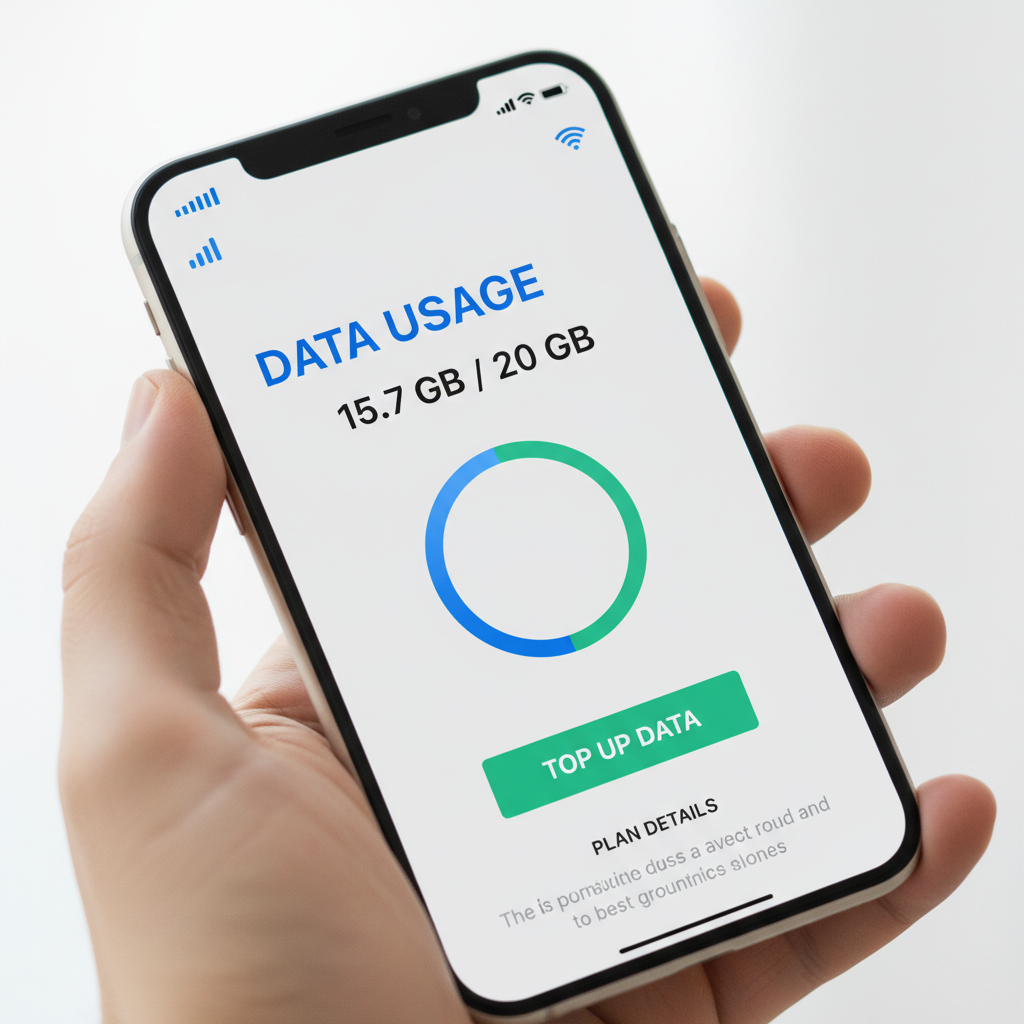
Before you can accurately determine how much cell phone data do i need, you must look at your historical usage. Marketing materials often focus on what you could use, but your device holds the record of what you actually use. Checking these numbers ensures you do not overpay for flexible cellphone plans that exceed your functional requirements.
For iPhone users: 1. Open Settings and tap Cellular. 2. Scroll down to the Cellular Data section to see usage for the Current Period. 3. Note the date at the bottom under Reset Statistics. If it has not been reset recently, the number will be inflated.
For Android users: 1. Open Settings and go to Network & Internet. 2. Select SIMs and then tap App data usage. 3. Adjust the date range to reflect your most recent billing cycle.
Most smartphones track data cumulatively until manually reset. If your Current Period shows hundreds of gigabytes, it likely includes data used over several months. We recommend resetting these stats at the start of your next billing cycle for a clean look at thirty days of activity. Once you have a clear picture of your usage, bring those numbers into our shop while you browse the latest smartphones and tablets. Our team uses those specific metrics to perform a side by side comparison of carriers. You can learn more about our Fillmore store and how we use these technical audits to help Millard County residents lower their monthly overhead.
Five Practical Ways to Avoid Going Over Your Data Limit
Once you have identified your current usage metrics, the next step is applying simple habits to keep those numbers low. Implementing a few tactical changes can mean the difference between a high monthly bill and moving to one of our more affordable flexible cellphone plans. These methods allow you to stay well within the 10 GB or 15 GB range without feeling restricted.
Leverage Local Connectivity: Residents in Fillmore can offload the bulk of their consumption by connecting to home networks or local hotspots whenever available. When you visit us to look at the latest smartphones and tablets, our team can ensure your device is configured to prefer Wi-Fi automatically.
Disable Video Autoplay: Apps like Facebook and Instagram are designed to consume data by default. Go into the settings for these specific apps and disable video autoplay on cellular connections. This prevents your phone from downloading video clips you do not intend to watch as you scroll.
Utilize Offline Modes: If you frequently travel around Millard County where signal can vary, use the "Offline Maps" feature in Google Maps. Similarly, downloading your favorite playlists on Spotify or podcasts while connected to home Wi-Fi ensures you can enjoy media without ticking up your cellular meter.
Set System Safeguards: Use your phone settings to establish a data warning. If you aim to stay under 15 GB, set a warning at 12 GB to give yourself a buffer to adjust habits before the billing cycle ends.
Restrict Background Data: Many apps refresh constantly to show new content instantly. Restricting background data for non-essential apps is one of the most effective ways to answer the question of how much cell phone data do i need with a smaller, more cost-effective number.
You can learn more about our Fillmore store and how these small adjustments can lead to significant monthly savings.
Is 100 GB of Data per Month a Lot for One Person?
For nearly 95% of smartphone users, a 100 GB monthly allotment is significantly more than they will ever consume on a single device. To put this in perspective, reaching a 100 GB cap would require streaming roughly 100 hours of standard definition video or scrolling through data intensive social feeds for several hours every single day without ever connecting to Wi-Fi. When customers ask our team how much cell phone data do i need, we rarely recommend tiers this high for standard mobile use.
However, there are specific scenarios in Millard County where these high limits become practical. Residents living in more rural parts of Fillmore who lack access to traditional high speed home broadband often utilize their mobile devices as primary hotspots. If you are tethering a laptop for remote work or using your phone to provide internet for an entire household, 100 GB can vanish quickly. When you explore the latest smartphones and tablets at our shop, we can help you determine if your location necessitates these larger flexible cellphone plans. You can learn more about our Fillmore store and how we help local families bridge the gap between mobile and home connectivity.
Choosing the Right Plan: Comparing Major Carriers in Fillmore, Utah
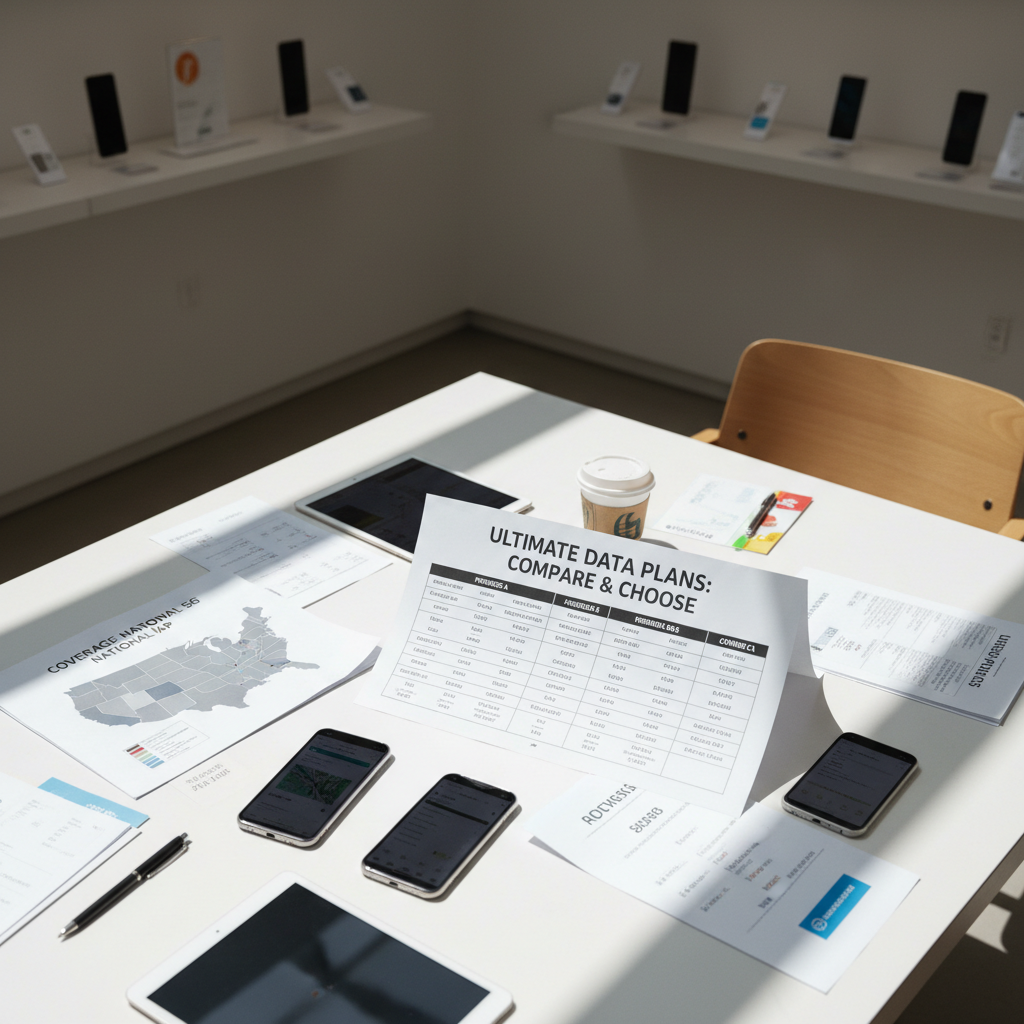
Navigating the landscape of wireless service in Millard County requires more than just picking a name off a billboard. Instante Voice serves as a neutral ground where we compare all major wireless carriers under one roof, specifically focusing on how signal strength varies from downtown Fillmore to the outlying rural stretches. Many customers visit us expecting to pay $90 per month for a premium tier, yet after reviewing their actual usage, they often find that flexible cellphone plans in the $35 to $45 range provide the same functional experience.
Identifying how much cell phone data do i need is the first step, but mapping that need to local infrastructure is where our expertise becomes essential. While one carrier might offer high speeds near Main Street, another may provide more reliable coverage for residents living near the mountains. Because we are not tied to a single provider, we can recommend the latest smartphones and tablets paired with the network that actually works at your home or place of business. These flexible options also ensure you are not locked into a mismatched tier; if your lifestyle changes and you require more or less data, the ability to switch plans without penalty protects your monthly budget. You can learn more about our Fillmore store and how our side by side comparisons simplify the process of finding the right balance between cost and connectivity.