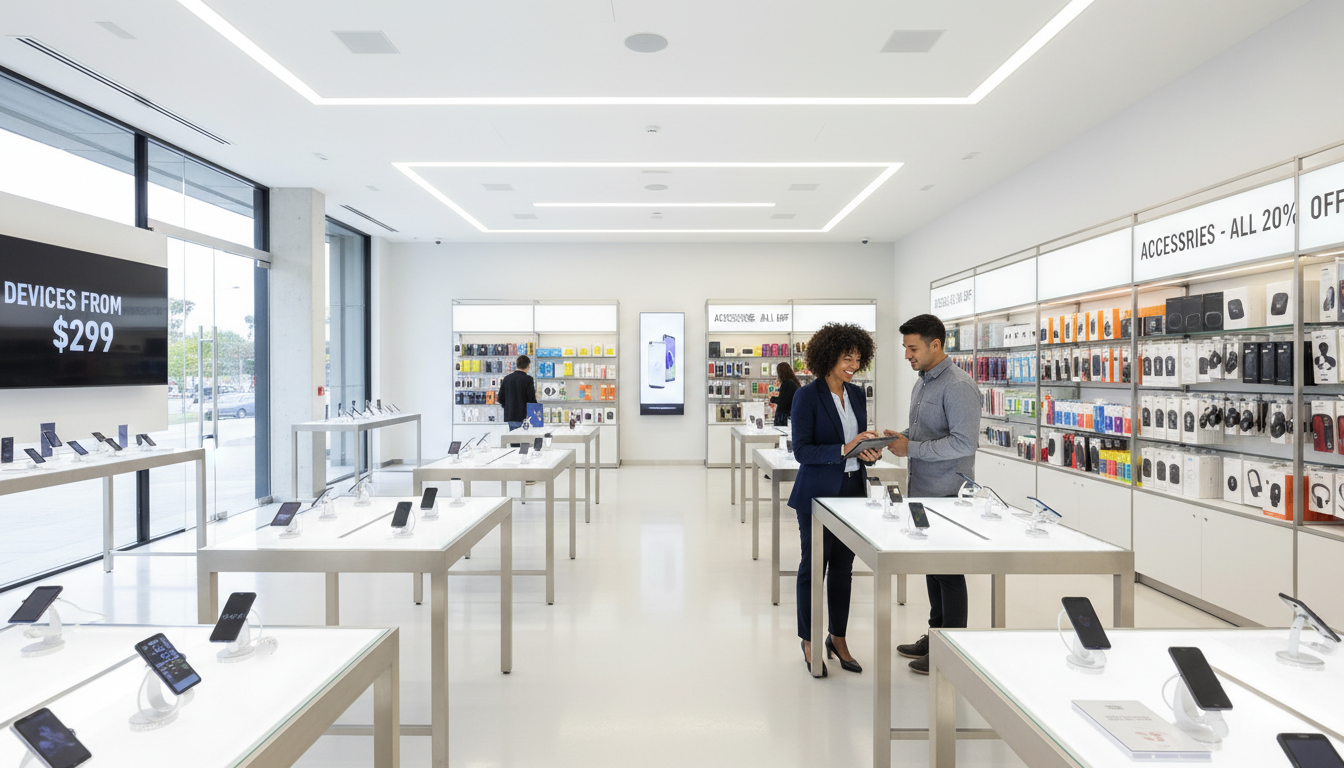
Choosing between prepaid vs postpaid phone plans depends on whether you prioritize immediate cost savings or long-term device benefits and premium features. Prepaid plans are best for budget-conscious users who want flexibility without credit checks, while postpaid plans offer superior financing for new phones, multi-line discounts, and high-speed data priority. Most individuals should choose prepaid to minimize monthly bills; however, families and power users will likely find better overall value in postpaid service.
Are you tired of opening your monthly mobile bill only to find hidden fees and unexpected charges? Choosing between prepaid and postpaid plans often feels like a gamble between flexibility and features. As mobile technology evolves in 2026, the lines between these two services have blurred, making the decision more critical for your budget. At Instante Voice, we believe clarity is the foundation of a smart connection. In this guide, we will break down the fundamental differences, analyze the hidden costs of premium perks, and explain when family plan math actually favors a contract. We also provide a specialized look at carrier performance within Fillmore, Utah, to ensure your choice works where you live. By the end, you will have a clear roadmap to the most efficient plan for your lifestyle.
The Core Differences Between Prepaid and Postpaid Service
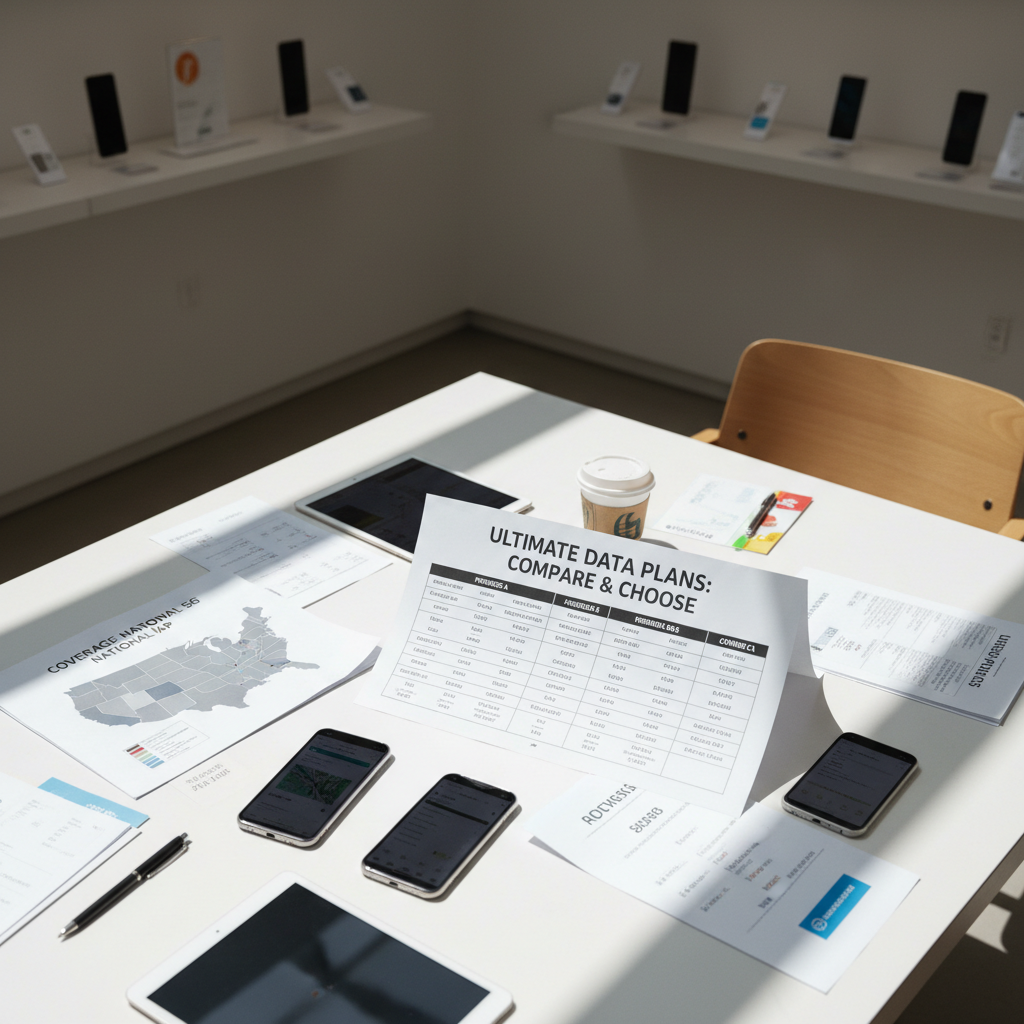
Deciding between prepaid vs postpaid phone plans starts with understanding the timing of your payment and how you qualify for service. Prepaid service requires you to pay for your talk, text, and data before you actually use it. You select a plan, pay the flat fee at the start of the billing cycle, and your service remains active until the next due date. Because there is no debt involved, these flexible cellphone plans do not require a credit check or a long term contract. If you stop paying, the service simply stops; there are no cancellation fees or collections.
Postpaid plans work on the opposite schedule. You use your service throughout the month and receive a bill at the end based on your selected tier and any additional usage. Since the carrier is essentially extending you a month of service on credit, a credit check is standard practice for new customers. Historically, postpaid was the only way to access the latest smartphones and tablets without paying the full retail price upfront, as the cost is distributed over a 24 or 36 month financing agreement.
In 2026, the technical gap between these two models has nearly disappeared. In the past, prepaid users often dealt with spotty coverage or slower speeds, but modern network infrastructure now provides nearly identical signal strength across both billing types. Today, the choice is less about how well your phone works in Fillmore and more about your preferred financial structure. Prepaid focuses on the "pay for what you use" philosophy, while postpaid targets users who want a "subscription" experience with premium data tiers and bundled hardware upgrades.
Advantages and Disadvantages of Prepaid Plans
Prepaid service has evolved into a powerhouse for budget management, particularly for residents in Millard County looking to eliminate surprise expenses. The primary advantage is financial predictability. Because you pay at the start of the month, you cannot incur overage fees or hidden usage charges. If you reach your data limit, your speed simply throttles or stops until you add more; this ensures your bill never exceeds your budget. For many, the lack of a credit check is the deciding factor, as it opens up access to high quality communication tools without the barrier of a formal credit inquiry.
In the 2026 market, these flexible cellphone plans offer a price spectrum ranging from $10 for basic usage to $60 for robust data packages. This cost efficiency often allows customers to own their devices outright, avoiding the long term debt associated with monthly device installments. You gain total flexibility to switch carriers or plans at the end of any 30-day cycle without facing early termination fees.
However, many customers ask: what is the downside of a prepaid phone plan? The most significant trade-off is data prioritization. During periods of high network congestion, such as a large local event or peak hours in busy areas, carriers prioritize their postpaid subscribers. As a prepaid user, your data speeds may temporarily slow down to ensure the network remains stable for premium tier customers. This deprioritization is rarely noticeable during standard browsing, but it can be impactful during high-bandwidth tasks like high-definition streaming or large file uploads in crowded spots.
Additionally, prepaid plans generally offer fewer international roaming features. While North American roaming to Canada or Mexico is often included, global travel usually requires purchasing separate add-ons. You will also find fewer promotions for the latest smartphones and tablets. While postpaid carriers often offer deep discounts in exchange for a multi-year commitment, prepaid providers typically require the full equipment cost upfront. If you are unsure which trade-off fits your usage habits, you can contact our Fillmore team to review current network maps and deprioritization policies.
Understanding the Perks and Costs of Postpaid Plans

Postpaid service represents the premium tier of the mobile market; it is built for those who want the most out of their hardware and network connection. While prepaid plans generally top out around $60, postpaid options typically range from $50 to over $100 per month. The primary reason for this higher price point is the guarantee of unthrottled, high-speed data. Postpaid subscribers occupy the highest priority level on the network, meaning your speeds remain consistent even when local towers are congested during busy hours in Millard County.
A major draw for our customers is the ability to finance the latest smartphones and tablets. Instead of paying $800 or $1,200 upfront, postpaid carriers allow you to spread that cost over a 24 or 36 month period. This financing is often paired with bundled perks that add significant value, such as included subscriptions to streaming services, large mobile hotspot allotments, and seamless international roaming capabilities that work the moment you cross a border.
A frequent point of confusion involves the additional costs seen on a monthly statement. Many prepaid brands market a flat sticker price with taxes included, whereas postpaid bills often feature separate line items for regulatory fees and line access charges. These fees are part of the administrative cost of maintaining a credit-based account and vary depending on local tax laws. If you are comparing flexible cellphone plans and feel overwhelmed by the fine print, you can contact our Fillmore team to get a transparent, side by side comparison of what your total monthly out of pocket cost will truly be.
The Family Plan Math: When Postpaid Becomes the Cheaper Option

When evaluating prepaid vs postpaid phone plans, the financial logic shifts significantly as you add more members of your household to a single account. While a single line of service is almost always more economical on a prepaid tier, families in Fillmore often find that the multi-line discount offered by major carriers turns postpaid service into a strategic value play. In the mobile industry, a family plan is generally defined as an account with two to four or more lines. The cost per line drops dramatically as you increase the volume, creating a pricing structure that competes directly with prepaid rates.
Number of Lines | Estimated Postpaid Cost Per Line | Included Value Example |
|---|---|---|
1 Line | $70 - $90 | Premium Data + Hotspot |
2 Lines | $60 - $70 | Device Financing Options |
4+ Lines | $30 - $45 | Bundled Perks + Free Hardware |
At the four-line mark, you are often paying roughly the same as you would for high-tier prepaid service, but you gain access to the premium features discussed previously. This includes the ability to finance the latest smartphones and tablets at $0 down or through trade-in promotions that are rarely available on prepaid accounts. For a local household, this means everyone gets a new device without a massive upfront investment.
The total household value increases further when you factor in bundled services. If your family currently pays for separate flexible cellphone plans across different accounts, you are likely missing out on these economies of scale. Consolidating lines onto a single postpaid bill simplifies monthly management and provides a higher level of service for each family member for the same total monthly outlay. To see the exact breakdown for your specific headcount, contact our Fillmore team for a side by side comparison.
Which Plan Type is Right for Your Lifestyle:
Identifying your usage patterns is the most effective way to navigate the prepaid vs postpaid phone plans debate. Most customers at Instante Voice fall into one of three categories based on their financial goals and technical requirements.
1. The Budget Conscious Individual This persona prioritizes low monthly overhead and avoids long term debt. These users often appreciate the transparency of knowing exactly what they will spend each month without the risk of surprise fees. - Preferred Plan: Prepaid. - Hardware: Owns their device outright or purchases mid-range models. - Data Needs: 5GB to 15GB; relies heavily on home or office Wi-Fi. - Why it works: No credit checks and a fixed $15 to $40 monthly cost keep finances simple.
2. The Power User or Business Traveler This persona requires reliable connectivity for work, often while traveling outside Millard County or commuting along the I-15 corridor. - Preferred Plan: Postpaid. - Hardware: Finances the latest smartphones and tablets to stay current with technology. - Data Needs: Unlimited premium data with high hotspot limits for laptop use. - Why it works: International roaming is seamless; data prioritization ensures speeds stay high during peak hours.
3. The Multi-Generational Family Households managing four or more lines benefit from the mathematical shift where postpaid becomes highly competitive. - Preferred Plan: Postpaid (Multi-line). - Hardware: A mix of financed flagship phones for adults and budget-friendly additions for children. - Data Needs: Shared high-speed access for streaming, gaming, and social media. - Why it works: Flexible cellphone plans with multi-line discounts can drop costs to $30 or $35 per line while including bundled streaming perks.
If you find yourself caught between these profiles, you can contact our Fillmore team to run a personalized usage audit and see which structure saves you more over a two year period.
Local Advantage: Comparing Carriers in Fillmore, Utah

Geography plays a massive role in how your phone performs, especially in a rural landscape like Millard County. When comparing prepaid vs postpaid phone plans, the underlying carrier matters just as much as the billing method. Instante Voice operates as a carrier-agnostic partner. We provide a neutral space where you can compare signal strength and data speeds across Verizon, T-Mobile, and AT&T without feeling pressured to favor one over the other.
Signal reliability in Fillmore can fluctuate significantly between landmarks. A device that receives full bars near the Territorial Statehouse might experience lower data speeds in the residential areas around North Park or further out toward the hills. We use precise mapping tools to help you identify which network provides the strongest signal for your specific home or office address.
Choosing the latest smartphones and tablets is only half the battle; the other half is ensuring the service behind them remains consistent where you spend your time. By visiting us in person, you can review current coverage data and performance metrics for all major networks. We help you determine if a particular carrier offers better value on their flexible cellphone plans based on your location. To get a personalized signal assessment, contact our Fillmore team or stop by the shop to test active devices on different networks.
Final Verdict: Making the Switch in 2026
The final decision comes down to how you value hardware and priority. Navigating prepaid vs postpaid phone plans in 2026 is simpler when you focus on your primary goal. Choosing prepaid provides unmatched simplicity and monthly savings, making it ideal for those who own their devices outright. Conversely, postpaid service remains the standard for users who want the latest smartphones and tablets through affordable financing and need the fastest data speeds available in Millard County. Moving between providers no longer involves the headache of changing your identity; you can port your existing number to any of our flexible cellphone plans in minutes. To see which carrier offers the best balance for your home, contact our Fillmore team today.
Choosing between prepaid and postpaid connectivity involves weighing your need for flexibility against the desire for consistent, premium features. In 2026, the right decision ultimately depends on your individual data habits and budget. If you want expert help narrowing down the best options for your specific situation, Instante Voice is ready to assist. You can take a closer look at our Plans to discover a setup that fits your goals, ensuring you get the most value out of your mobile experience.