
Hidden fees cell phone plans often consist of administrative charges, regulatory recovery fees, and unexpected insurance costs that can inflate your monthly bill by more than 25 percent. You can identify these expenses by distinguishing mandatory government taxes from carrier-imposed surcharges and scrutinizing "free phone" offers for hidden service requirements. To avoid overpaying, regularly audit your bill for ghost subscriptions and compare providers that offer transparent, all-in pricing structures.
Opening your monthly mobile statement should not feel like a gamble, yet many Fillmore residents find that their final total rarely aligns with the sleek prices advertised on national television. When a promised forty dollar plan balloons into a sixty dollar obligation, the culprit is often a complex web of administrative surcharges, regulatory fees, and cleverly disguised equipment costs. These hidden expenses erode your budget and make it nearly impossible to compare providers fairly. This guide provides a deep dive into the specific fees utilized by major carriers like Verizon and T-Mobile, with a particular focus on how Utah wireless taxes impact local subscribers. You will learn to identify the free phone trap, distinguish between legitimate taxes and carrier profit margins, and gain the tools necessary to compare cell phone plans with absolute precision.
The Reality of Bill Shock: Why Your Monthly Total Never Matches the Advertised Price
You open your first monthly statement for a new line, expecting the advertised $60 rate. Instead, the total sits at $82.47. This discrepancy, often called bill shock, is rarely the result of a single error. It is usually the cumulative effect of hidden fees cell phone plans often obscure in the fine print. Understanding why this happens requires distinguishing between two distinct categories of extra costs: government mandated taxes and carrier imposed fees.
Government mandated taxes, such as state sales tax and 911 surcharges, are non negotiable and vary by location. Carrier imposed fees, however, are charges created by the provider to cover their own overhead. In 2026, even as the industry moves toward greater transparency, line items for administrative and regulatory charges continue to drive up monthly costs. These are not taxes, though they are often grouped with them to look official.
At Instante Voice in Fillmore, we see these frustrations daily. Our no-pressure, customer-focused approach helps you cut through the marketing noise. Because we are carrier-agnostic, we can show you exactly how different flexible cellphone plans will look on your bank statement before you commit. We believe residents in Millard County deserve an honest look at the out-the-door price rather than just a promotional teaser.
The Most Common Hidden Fees on Your Phone Bill
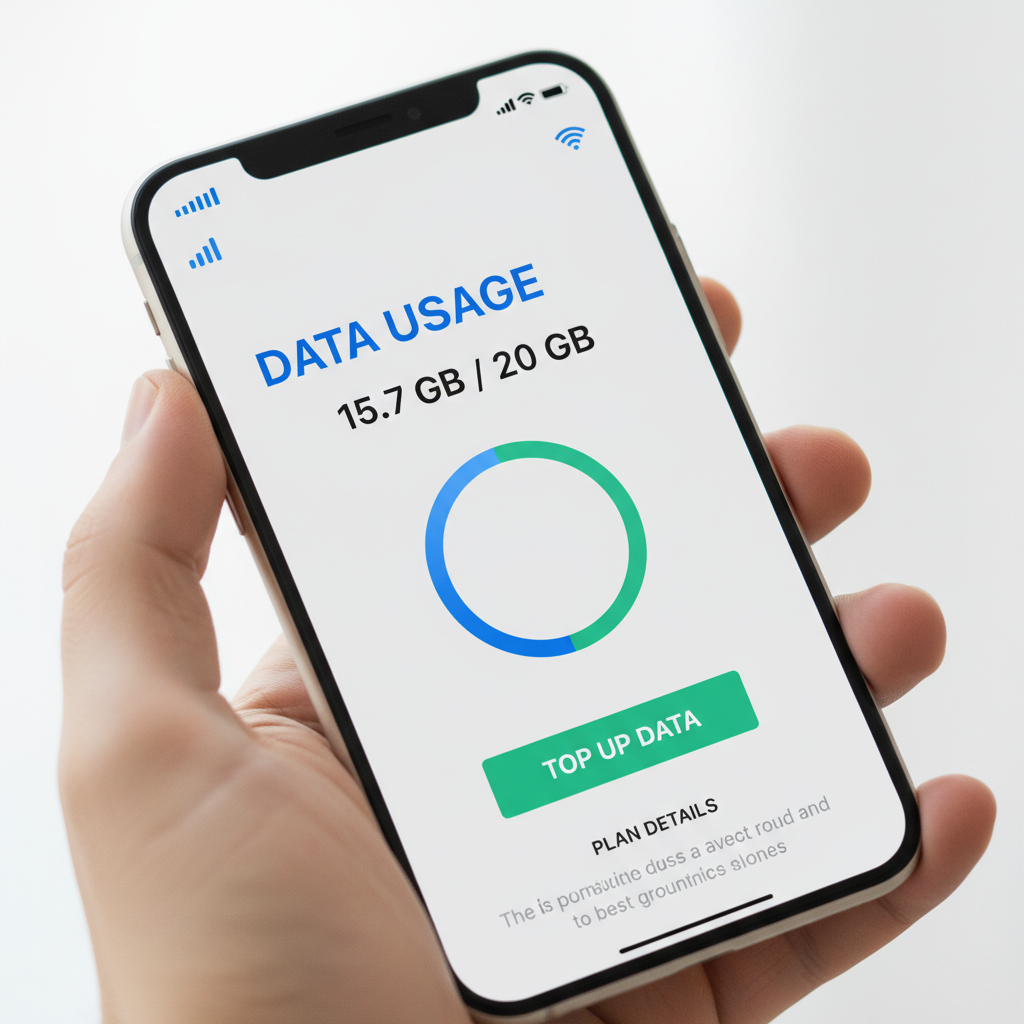
To effectively manage your monthly budget, you must be able to identify the "Big Three" carrier-imposed fees. These charges are often tucked away in the surcharges and other fees section of your statement, separate from local sales taxes. While they look official, they are largely discretionary charges designed to protect carrier profit margins. These hidden fees cell phone plans include can push the total cost of service 15% to 35% higher than the advertised price.
Administrative Fee: This is one of the most common additions. It is not a government tax; rather, it is a way for carriers to pass on the costs associated with maintaining cell towers, paying for interconnection with other networks, and managing billing systems. You will typically see this ranging from $1.50 to $3.50 per line each month. For a family with four lines, this single fee can add $168 to your annual costs.
Regulatory Cost Recovery Charge: Carriers use this fee to offset the expenses they incur to comply with various federal and state mandates. This includes the cost of participating in government programs and the legal paperwork required for regulatory filings. Because the government does not mandate a specific amount for this charge, providers have significant leeway in what they collect.
Universal Service Fund (USF): This fee contributes to a federal program intended to provide telecommunications access to rural areas and schools. While the program is federal, the amount you pay is not fixed. The Federal Communications Commission (FCC) adjusts the contribution factor quarterly, and carriers often pass these fluctuations directly to the consumer. This causes your bill to vary slightly every few months, even if your data usage remains the same.
Fee Name | Primary Purpose | Estimated Monthly Range |
|---|---|---|
Administrative Fee | General operating and network costs | $1.50 – $3.50 per line |
Regulatory Cost Recovery | Legal and government compliance | $0.20 – $1.50 per line |
Universal Service Fund | Rural and educational access | Varies quarterly |
At Instante Voice, we believe that understanding these line items is the first step toward finding truly flexible cellphone plans. Our no-pressure, customer-focused approach ensures you understand which of these fees are fixed and which can be avoided by choosing the right provider or plan structure.
The Free Phone Trap: How Equipment Installment Plans Hide Costs
While monthly surcharges creep into your statement, the largest source of long-term financial obligation often stems from the hardware in your pocket. The "free phone" offer is rarely a gift; it is a 36 month financing agreement disguised as a promotion. Carriers use Equipment Installment Plans (EIPs) to provide monthly bill credits that offset the cost of the device. If you decide to switch providers or upgrade before the full term ends, those credits vanish, and the remaining balance becomes due immediately.
These promotions often require you to subscribe to the carrier's most expensive unlimited tier. You might find yourself paying $30 more per month for a premium plan you do not actually need just to save on the phone. Over three years, that premium adds $1,080 to your total, which often exceeds the actual retail price of the device. This is a primary way that hidden fees cell phone plans include are masked by hardware marketing.
Even when the phone is technically free, your first bill will likely include a $35 activation or upgrade fee per line. This charge is a one time fee that providers apply simply for the clerical work of adding a device to their network.
At Instante Voice, we encourage customers to calculate the total cost of ownership over three years. By choosing flexible cellphone plans that match your actual data usage and comparing them against the cost of the device, you can see the real price of the service. Our no-pressure, customer-focused approach focuses on these long-term numbers rather than just the promotional sticker price.
Wireless Taxes in Utah: What Fillmore Residents Should Expect
Navigating the wireless landscape in Millard County requires an understanding of how Utah specifically taxes telecommunications. According to research from the Tax Foundation, Utah residents face a combination of state excise taxes and mandatory 911 fees that are higher than in many neighboring states. These charges are distinct from the hidden fees cell phone plans often carry; they are government mandates that every carrier must collect. Specifically, the unified 911 surcharge and the state telecommunications transition fee can add several dollars to each line before you even consider your data usage.
A significant local hurdle involves the sales tax on new devices. In Fillmore, sales tax is calculated based on the full retail price of a smartphone, not the promotional price. If you qualify for a "free" $1,100 device through carrier credits, Utah law requires you to pay the sales tax on that full $1,100 value upfront. For a resident in Fillmore, this can result in an unexpected $70 to $85 charge at the point of sale, even when the monthly equipment cost is zero.
At Instante Voice, our no-pressure, customer-focused approach ensures you understand these local costs before you sign any paperwork. We help you compare flexible cellphone plans by factoring in these Utah specific taxes, so the number you see on your first bill matches the estimate we provide in the shop. Understanding these local nuances is essential for any resident looking to avoid the common pitfalls of modern wireless billing.
Carrier Specifics: Hidden Charges at AT&T, Verizon, and T-Mobile
While Utah’s taxes are uniform across providers, the way national carriers present their monthly costs varies wildly. T-Mobile has positioned itself as the industry benchmark for transparency by offering several plans that include taxes and fees in the advertised price. Their Price Lock guarantee further promises that the base price of your talk, text, and data will not increase while you remain on that specific plan. This all-in pricing makes it significantly easier for families to predict their monthly expenses without performing complex math at the kitchen table.
In contrast, AT&T and Verizon typically utilize a plus taxes and fees model. This means the $70 price you see on a billboard is rarely the final cost. These providers add the Administrative and Regulatory fees discussed earlier on top of the base rate; this often results in a bill that is $5 to $10 higher per line than initially expected. When you are managing multiple lines for a business or family, these discrepancies accumulate quickly.
Beyond the monthly service rate, international usage remains a primary source of hidden fees cell phone plans often obscure. If you travel to Canada, Mexico, or Europe without an active international day pass, you could face roaming charges between $1 and $2 per minute for voice calls. Even a short 10 minute call to check on a flight or hotel reservation can result in a $20 surprise on your next statement. It is critical to verify if your plan includes North American roaming or if you must manually trigger a daily pass before leaving Fillmore.
You should also watch for ghost subscriptions that frequently appear on new accounts. These are low cost add-ons like cloud storage, premium visual voicemail, or device protection trials that are sometimes auto-activated during the sign-up process. While they might be free for the first 30 days, they often roll into recurring monthly charges of $2 to $15 if not manually removed. At Instante Voice, our no-pressure, customer-focused approach involves auditing these specific carrier differences for you. We help you compare flexible cellphone plans side by side to identify which providers offer the most honest bottom line for your specific needs.
Prepaid vs Postpaid: Which Model Has Fewer Surprises?

The choice between prepaid and postpaid often determines the level of billing transparency you experience. In 2026, prepaid models have become the gold standard for budget predictability. Providers like Boost or Consumer Cellular often utilize an all-in pricing structure, where the price on the shelf is exactly what you pay at the register. This model bypasses the Administrative Fee game common with major postpaid contracts, ensuring your monthly total remains static. Since these plans do not require a credit check, they avoid the financial scrutiny and long-term contract commitments that typically trigger extra surcharges.
Postpaid plans still hold an advantage for customers seeking the latest technology through heavy device subsidies or free phone promotions. However, these subsidies come with higher hidden overhead. While you might pay $0 for the device upfront, the carrier recovers those costs through the recurring fees and premium plan requirements discussed in previous sections. The hidden fees cell phone plans often carry are significantly less common in the prepaid market.
Feature | Prepaid Plans | Postpaid Plans |
|---|---|---|
Pricing Structure | All-in (taxes often included) | Base rate plus added fees |
Credit Requirements | None | Hard credit check required |
Administrative Fees | Usually zero | $1.50 to $3.50 per line |
Device Subsidies | Minimal or full-price | High (free phone offers) |
At Instante Voice, we help you weigh these trade-offs through our no-pressure, customer-focused approach. We can look at your usage and determine if the simplicity of a prepaid account outweighs the hardware incentives of a postpaid line. By offering flexible cellphone plans from both categories, we ensure you are not forced into a billing model that does not fit your financial goals.
How to Compare Cell Phone Plans Apples to Apples

To ensure you are truly getting a deal, you must look past the marketing flyers and demand specific documentation. Every carrier is capable of generating a Customer Service Summary or a Key Information sheet before you sign a contract or purchase a device. These documents outline the estimated monthly charges including the hidden fees cell phone plans often carry, such as the administrative and regulatory costs discussed earlier.
When reviewing these documents, use this checklist to force transparency: 1. Ask specifically: What is the out-the-door monthly total including all local Fillmore taxes? 2. Ask: Are there any recurring insurance, tech support, or cloud storage fees added to this line? 3. Verify the auto-pay discount requirements; some plans require a debit card or bank account rather than a credit card to receive the advertised rate. 4. Confirm if the quoted price includes the Utah 911 surcharges and state telecommunications fees.
A single-carrier store is naturally incentivized to sell you their specific vision. Visiting a multi-carrier shop like Instante Voice provides a different perspective. Our no-pressure, customer-focused approach allows us to put different flexible cellphone plans side by side. We can show you how a prepaid plan’s all-in pricing stacks up against a postpaid plan’s base plus fees model in real time. This objective comparison is the only way to guarantee you aren't paying for network bloat or hidden overhead that doesn't benefit your connectivity.
Navigating the complex landscape of cellular billing in 2026 requires a sharp eye and consistent monitoring of your monthly statements. While identifying hidden surcharges and administrative fees can save you a significant amount over time, managing these details alone is often a daunting task. If you want expert help optimizing your telecommunications strategy, we are ready to assist. You can learn more about our mission and team to see how we help businesses stay ahead of rising costs and complex contracts.